What gear do you need for a power outage?
Six things that get a house through the dark.
Our picks 6
Links go to Amazon; we earn a commission if you buy. It never changes the list. How we pick

First Alert CO400 battery-operated CO alarm
Keeps working when the power is out
Check price on Amazon
Midland WR400 weather alert radio
Wakes the house for a warning in your county
Check price on AmazonEnergizer rechargeable LED headlamps, 2-pack
Hands-free light, one per person
Check price on Amazon
Midland ER310 emergency crank radio
Hand crank and solar, never needs an outlet
Check price on Amazon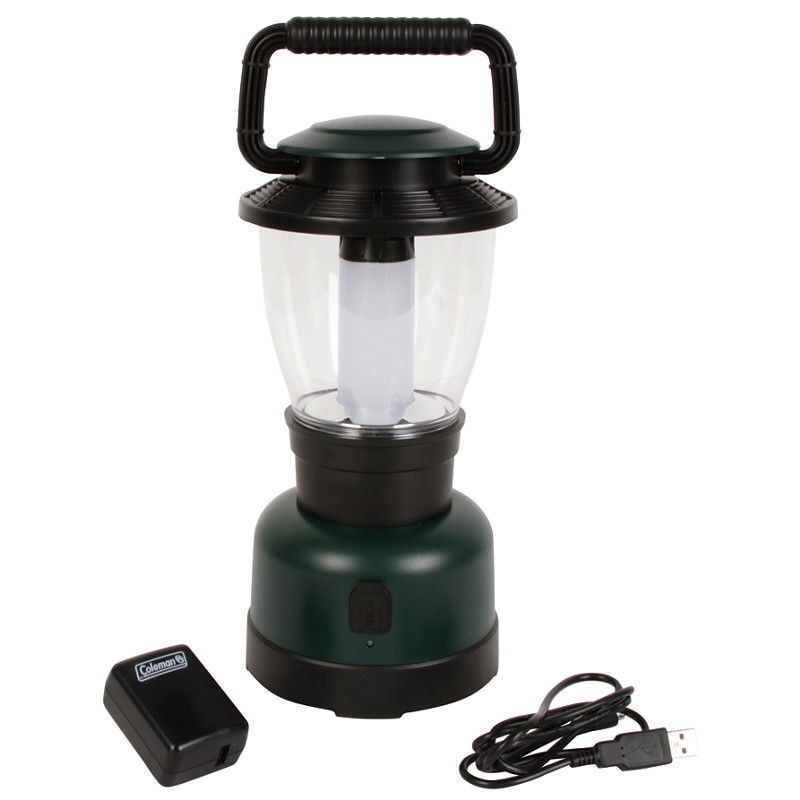
Coleman Rugged rechargeable LED lantern
Lights a whole room on a few watts
Check price on AmazonFirst Aid Only 298-piece family first aid kit
For the cuts and burns of storm cleanup
Check price on AmazonBuying the set? First Alert CO400 battery-operated CO alarm + Midland WR400 weather alert radio + Energizer rechargeable LED headlamps, 2-pack + Coleman Rugged rechargeable LED lantern + First Aid Only 298-piece family first aid kit
Add all 5 to your Amazon cartHurricane season runs to November 30. Get it before the next outage: once the power is out, you live on what is already in the house.
Six things cover most outages: a headlamp or flashlight for each person, a NOAA weather radio, a battery carbon monoxide alarm, bedding warm enough for an unheated night, a first aid kit and a fire extinguisher. None needs much money or space, and the carbon monoxide alarm is the one that keeps people alive when the generators and grills come out.
- 1
- light per person, no candles
- 7
- NOAA weather radio channels (NWS)
- ~100
- US deaths a year from portable-generator CO (CPSC)
Light: one per person, no candles
Give everyone a headlamp or flashlight, so nobody is walking the stairs in the dark looking for one. A headlamp leaves both hands free for cooking, a toddler or the breaker panel. Add a lantern for each room you will sit in. Skip candles: the Red Cross advises flashlights instead because of the fire risk.
Rechargeables charge from a power bank or a power station; battery models need spare AAs or AAAs, which keep for years in a drawer.
A weather radio, not just a phone
Cell towers run on backup power that can run out in a long outage, and a dying phone is a bad way to follow a storm. A NOAA weather radio picks up the National Weather Service's broadcasts on its own seven channels, between 162.400 and 162.550 MHz, which an ordinary AM/FM radio cannot receive (NWS).
- Get one with SAME alerts if it will sit at home. You enter your county's six-digit code and it sounds only for warnings that affect you, including at night (NWS).
- Get a hand-crank model for the go-bag and long outages. Most also have a flashlight and a USB port that can top up a phone, slowly.
Four radios compared, and how to set your county code: which weather radio to buy.
Carbon monoxide: the outage danger
Outages are when people run generators, grills and camp stoves too close to the house, and carbon monoxide has no smell or color. Fit a battery or battery-backup CO alarm (CDC). A plug-in alarm with no battery goes quiet in an outage, exactly when you need it.
- Never run a generator, grill, camp stove or charcoal inside the house, garage or basement, or near a window or door (CDC).
- Never heat the house with a gas oven or stovetop (CDC).
- A power station makes no exhaust, which is why it is safe indoors. Power station or generator?
Staying warm without heat
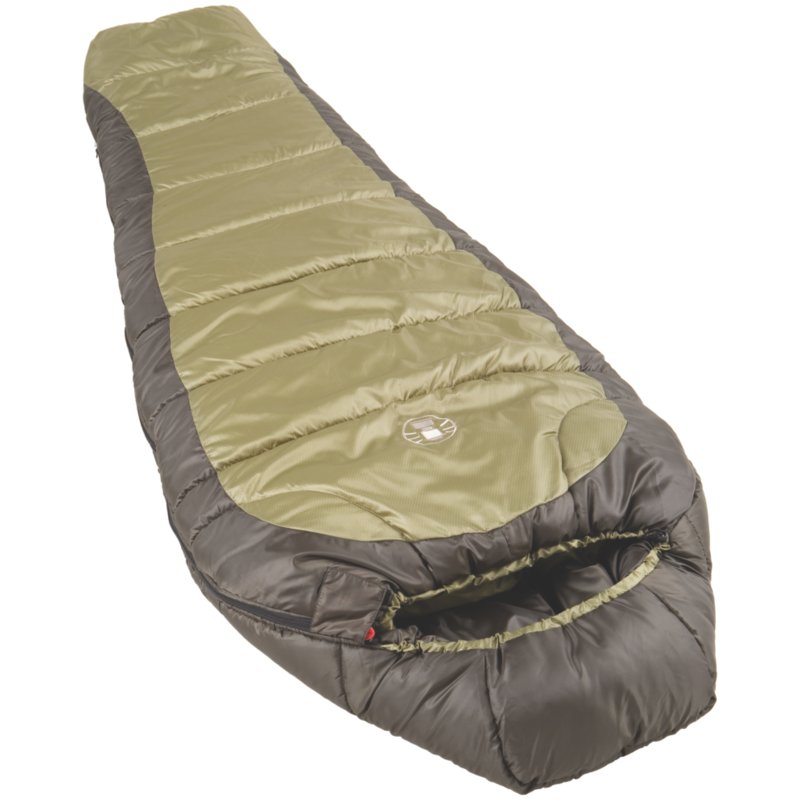
Pick one room, close it off and gather everyone there. Sleeping bags rated for your winter lows, wool blankets and hats do more than a space heater a battery cannot run anyway. With a power station, an electric blanket is the efficient way to stay warm; our winter storm guide has the numbers. The full plan, with the heaters that are safe indoors: how to stay warm without power.

First aid and fire
Keep a first aid kit where everyone knows to find it, with a week of any prescription medicines beside it. Put a fire extinguisher in the kitchen. Smoke alarms are your early warning, and hard-wired ones rely on their backup battery when the power is out, so check those batteries before storm season.
Keeping the fridge, Wi-Fi and phones going too? See how many hours each power station runs the things you would plug in.
Common questions
A storm hits tomorrow. What should I do tonight?
Charge every phone and battery pack, fill the car because gas station pumps need power too, freeze jugs of water to keep the fridge cold, and keep its doors shut (Ready.gov). Test the carbon monoxide alarm before any generator or grill comes out (CDC). An order placed tonight may not arrive in time, so a hardware store run beats waiting.
Do I need a weather radio if I have a phone?
It is worth having. Cell towers run on backup power that can run out in a long outage, phones die, and a NOAA weather radio with SAME alerts wakes you for warnings in your county even when the phone is silent.
What does SAME mean on a weather radio?
Specific Area Message Encoding. You program your county's six-digit code, and the radio sounds only for warnings that cover your area instead of every county the transmitter reaches (NWS).
Is it safe to use a camp stove or grill indoors in an outage?
No. They give off carbon monoxide, which you cannot smell. Use them outdoors only, away from windows and doors, and fit a battery carbon monoxide alarm (CDC).
Are candles safe in a power outage?
The Red Cross advises flashlights instead of candles because of the fire risk. A battery lantern gives more light for a room anyway.
Sources
- Ready.gov: Build a kit
- CDC: Carbon monoxide poisoning prevention
- National Weather Service: NOAA Weather Radio
- American Red Cross: Power outage safety
- Ready.gov: Power outages
Checked October 29, 2026. Product ratings are from each maker's listing. See our editorial standards.