How do you stay warm when the power is out?
Heat the people, not the house.
Our picks 6
Links go to Amazon; we earn a commission if you buy. It never changes the list. How we pick
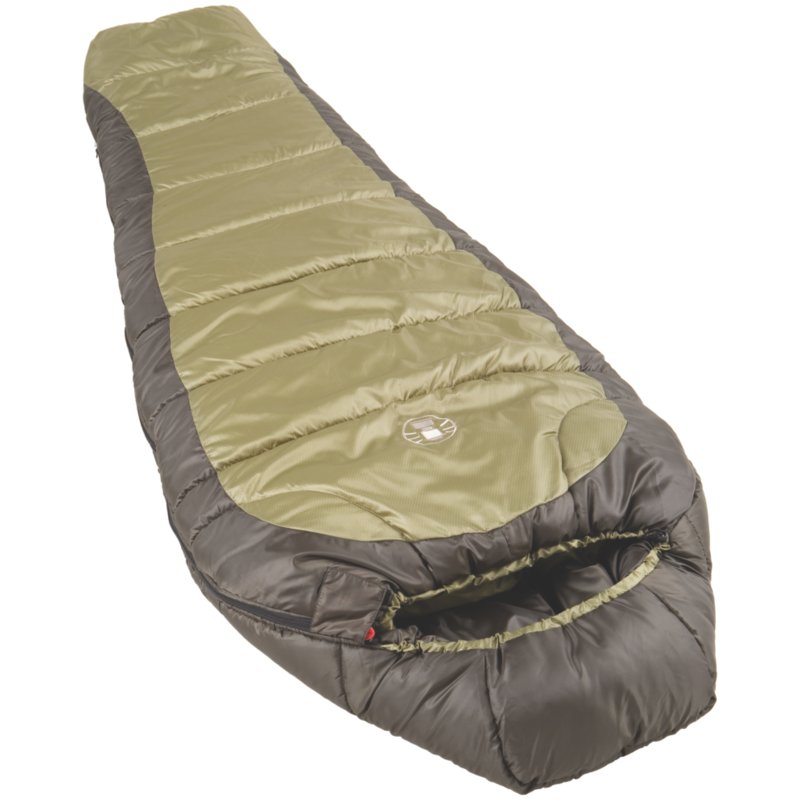
Coleman North Rim 0 °F mummy sleeping bag
For nights below 20 °F, one per person
Check price on Amazon

First Alert CO400 battery-operated CO alarm
Keeps working when the power is out
Check price on AmazonSunbeam heated throw
Heat from a power station, the efficient way
Check price on AmazonMr. Heater Portable Buddy propane heater
Approved for indoor use, with a CO alarm beside it
Check price on AmazonBuying the set? Coleman North Rim 0 °F mummy sleeping bag + Arcturus military wool blanket + HotHands hand warmers, 40 pairs + First Alert CO400 battery-operated CO alarm
Add all 4 to your Amazon cartWinter storm season is coming. Get it before the next outage: once the power is out, you live on what is already in the house.
Pick one room, close it off and gather everyone in it. Dress in loose layers with a hat, sleep in bags rated below the coldest night forecast, and keep a battery carbon monoxide alarm in that room. Never heat the house with a gas oven, grill, camp stove or generator (CDC). On a power station, an electric blanket draws about 100 W, a 15th of a space heater.
- 1 room
- closed off and lived in (NWS, Ready.gov)
- 3 ft
- from a heater to anything that can burn (USFA)
- 15×
- less power for an electric blanket than a space heater
Make one warm room
A whole house loses heat faster than you can replace it without power, so shrink the job to one room.
- Close off the rest. Shut the doors and close the vents of rooms you are not using (NWS, Ready.gov).
- Block the drafts. Push rolled towels into the gaps under doors (Ready.gov) and close the blinds or curtains at night (NWS).
- Pick the right room: an inside room with few windows, on the sunny side if you can, and not the basement if your heat source is there. Open the curtains on sunny windows by day.
- Hang wool blankets over a doorway with no door, or over a big window, to make a smaller pocket of warm air.
Layers and sleeping bags
Wear several loose, light layers rather than one heavy coat, and take one off before you start to sweat: damp clothing chills you (NWS). A hat, dry socks and a base layer under normal clothes do more than another sweater.
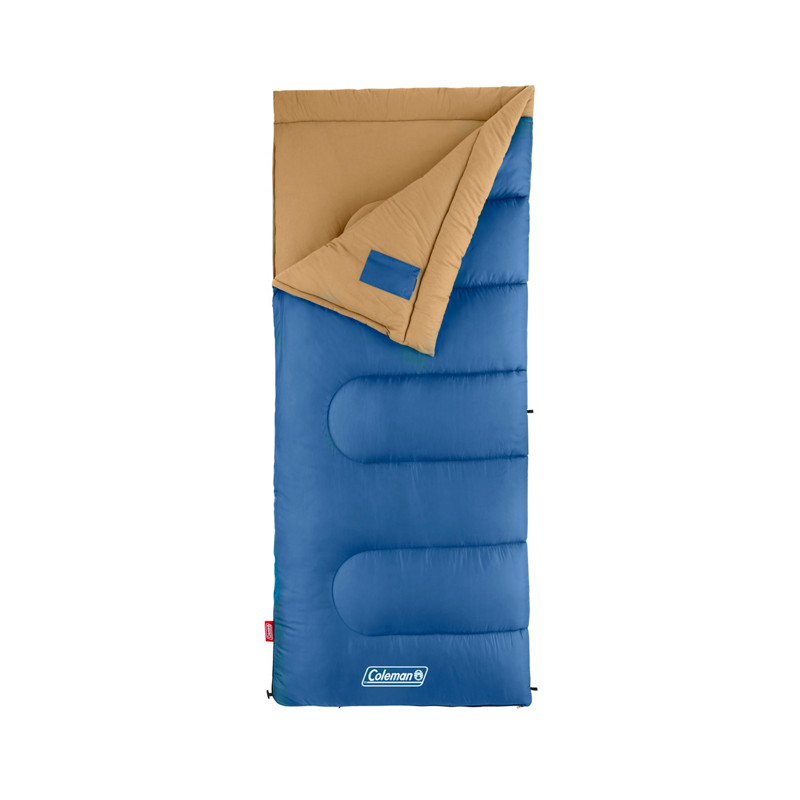
At night, sleeping bags beat blankets because they trap heat all the way around you. Choose a bag rated below the coldest night forecast: over a long outage an unheated house cools toward the outdoor temperature. Bag ratings are each maker's own, so buy colder rather than warmer. Put children in their own bags, sized for them, rather than in an adult bag.
Heaters: the safe ones and the deadly ones
In a winter outage the heat source can be more dangerous than the cold: carbon monoxide has no smell or color, and it can build up from anything that burns fuel indoors (CDC).
- Never heat the house with a gas oven or stovetop, a grill, a camp stove or a generator, and never run a generator in a garage or basement (CDC).
- Fireplaces, wood stoves and other fuel-burning heaters only if they are properly vented to the outside (CDC).
- A propane heater made for indoor use, such as the Mr. Heater Buddy, only as its manual says, with the ventilation it calls for, never while you sleep, and with a battery CO alarm in the room. Patio, camp and garage heaters are not made for indoors.
- Electric space heaters on a generator or power station: plug them straight into the outlet, not an extension cord or power strip, and keep anything that can burn 3 feet away (USFA). A 1,500 W heater drains a Bluetti Elite 100 V2 in about 35 minutes, so on a battery, heat the person with an electric blanket instead. Our space heater guide has the numbers.
 With any heaterFirst Alert CO400 battery-operated CO alarmKeeps working when the power is out
Check price
 For propane heatMr. Heater Portable Buddy propane heaterApproved for indoor use, with a CO alarm beside it
Check price
With a power stationSunbeam heated throwHeat from a power station, the efficient way
Check price
Hand warmers, food and warm drinks
Your body makes heat from food, so eat regular meals and snacks, and drink warm, sweet drinks if you can heat water safely outdoors. Air-activated hand warmers need no fuel or flame, so they are safe in a sleeping bag, a pocket or a child's mittens. Plan on one pair per person per night.
If the house cannot be kept warm, leave before it gets dangerous: call 2-1-1 or check your city's website for a warming center, and take the medicines, chargers and sleeping bags with you.
Know the signs of hypothermia
Hypothermia can set in indoors, slowly, and the people most at risk are older adults, babies and anyone who is ill.
- Adults: shivering, exhaustion, confusion, fumbling hands, memory loss, slurred speech and drowsiness (CDC).
- Babies: bright red, cold skin and very low energy (CDC).
- A body temperature below 95 °F is an emergency: get medical help right away (CDC). While you wait, move the person somewhere warmer, remove wet clothing and warm the center of the body first under dry blankets.
Keeping the fridge, Wi-Fi and phones going too? See how many hours each power station runs the things you would plug in.
Common questions
How do I keep my house warm without power?
Heat one room instead of the house: close off the rooms you are not using, push towels under the doors and close the curtains at night (NWS, Ready.gov). Then heat the people with layers, sleeping bags and wool blankets. Use only a vented fireplace or wood stove, or a heater made for indoor use, and keep a battery CO alarm in the room.
Is it safe to use a propane heater indoors?
Only one the maker approves for indoor use, used exactly as its manual says, with the ventilation it calls for and a battery carbon monoxide alarm in the room. Never use a patio, camp or garage heater indoors, and never sleep with a fuel-burning heater running.
Can I use my gas oven to heat the house?
No. The CDC says never to heat a home with a gas oven or stovetop: it can fill the house with carbon monoxide.
Can a power station run a space heater?
Not for long. A 1,500 W space heater drains a Bluetti Elite 100 V2 in about 35 minutes. An electric blanket at about 100 W runs 15 times longer on the same battery.
What temperature sleeping bag do I need for a power outage?
One rated below the coldest night forecast. Over a long outage an unheated house cools toward the outdoor temperature, and bag ratings are each maker's own, so buy colder rather than warmer: a 0 °F bag for nights below 20 °F, a 20 °F bag for milder ones.
Sources
- CDC: Staying safe during and after a winter storm
- CDC: Preventing hypothermia
- CDC: Carbon monoxide poisoning prevention
- National Weather Service: Caught in a winter storm
- Ready.gov: Stay safe and warm toolkit (January 2026)
- U.S. Fire Administration: Portable heater fire safety
Checked October 29, 2026. Product ratings are from each maker's listing. See our editorial standards.