Power outage checklist
12 categories, 38 things, in the order they matter. Tick off what you already have. Built from the Ready.gov kit list and CDC advice, with our own guides wherever we have the numbers.
Your readiness
Your ticks stay in this browser only.
Start here
The six things most homes are missing
One from each part of the list that keeps people safe. Get these and you are most of the way there. Shop links go to Amazon, and we earn a commission if you buy.

Reliance Aqua-Tainer 7-gallon water container
A week of water for one person, with a tap
Check price on Amazon
Mountain House Adventure Weekender Kit (6 pouches)
Real meals that keep for decades
Check price on Amazon
Midland WR400 weather alert radio
Wakes the house for a warning in your county
Check price on AmazonEnergizer rechargeable LED headlamps, 2-pack
Hands-free light, one per person
Check price on Amazon
First Alert CO400 battery-operated CO alarm
Keeps working when the power is out
Check price on AmazonAll 3 Amazon picks in one go. One click puts them in your Amazon cart, and you can remove any you already have before checkout.
Add all 3 to your Amazon cartWhich kit is right for you?
Pick the one that sounds like your home
Tonight, before it hits
An order placed tonight may not arrive in time, so start with what you can do at home, then buy the rest at a hardware store or order it for next time.
- Charge every phone and battery pack (Ready.gov).
- Fill the car: gas station pumps need power too (Ready.gov).
- Freeze jugs of water to keep the fridge cold, then keep its doors shut (Ready.gov, USDA).
- Fill containers with 1 gallon per person per day for at least 3 days (CDC).
- Test the carbon monoxide alarm before any generator or grill comes out (CDC).

No generator, little space
A generator is usually off the table in a rental, and a closet is the storage. Stackable water, calorie-dense food and good light cover the first three days for little money.
- Stack water in a closet: 1 gallon per person per day (CDC).
- Keep food that needs no fridge or cooking (Ready.gov).
- One headlamp per person instead of candles (Red Cross).
- A battery CO alarm if the unit has gas appliances (CDC).


Feeding without power or safe tap water
Babies are the one place to plan more water and simpler food than the standard list.
- Keep several days of ready-to-feed formula: it needs no water and is the safest choice in an emergency (CDC).
- Mixing powder? Use bottled water, and with no fridge make each bottle fresh (CDC).
- Nursing mothers, children and anyone sick may need more than a gallon a day (Ready.gov).
- A headlamp keeps both hands free for night feeds.
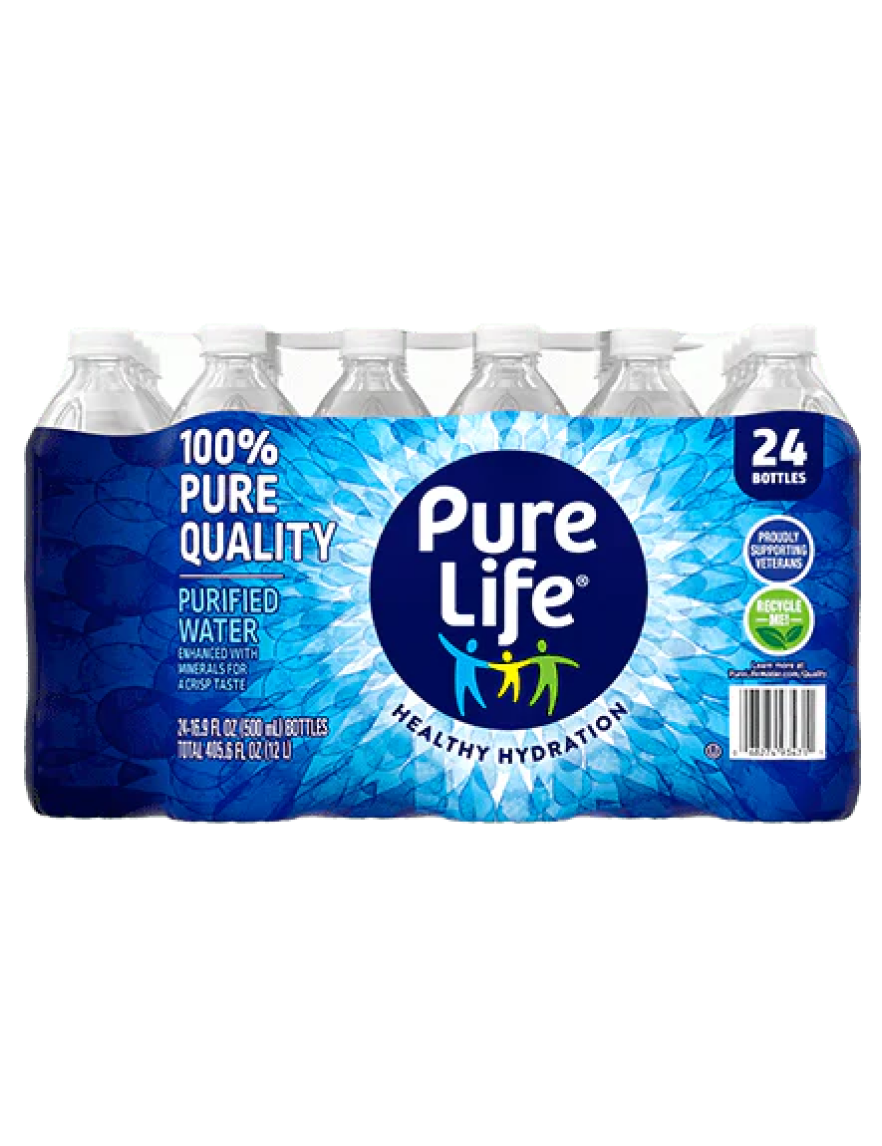 Pure Life purified water, 24 x 16.9 ozThe CDC calls it the safest supply
Check price
Energizer rechargeable LED headlamps, 2-packHands-free light, one per person
Check price
First Aid Only 298-piece family first aid kitFor the cuts and burns of storm cleanup
Check price
Add all 3 to your Amazon cart
Power for the machine comes first
For anything medical that plugs in, the plan starts with how many nights of power you have, then the rest of the kit.
- Size a power station for the nights you need: our CPAP guide does the math per machine.
- Ask your doctor or supplier what the machine draws and whether it runs on DC.
- Keep a headlamp and a weather radio by the bed.
- Never run a generator indoors, even for a medical device (CDC).
Best power stations for CPAP →CPAP runtime guide →Oxygen concentrators →
No power means no water
A well pump stops with the power, so the tap, the toilet and the shower stop too. Store the full amount, or plan to run the pump.
- Store 1 gallon per person per day, ideally two weeks' worth (CDC).
- Fill a bathtub bladder when a storm is forecast, for flushing and washing.
- Most well pumps need 240 V: a large generator through a transfer switch an electrician fits.
- Keep purification tablets in case you have to use other water (EPA).

A cold house, for days
In a winter outage the danger is the heat source as much as the cold. Shrink the house to one warm room, and heat the people, not the rooms.
- Close off the rooms you are not using and push towels under the doors (NWS, Ready.gov).
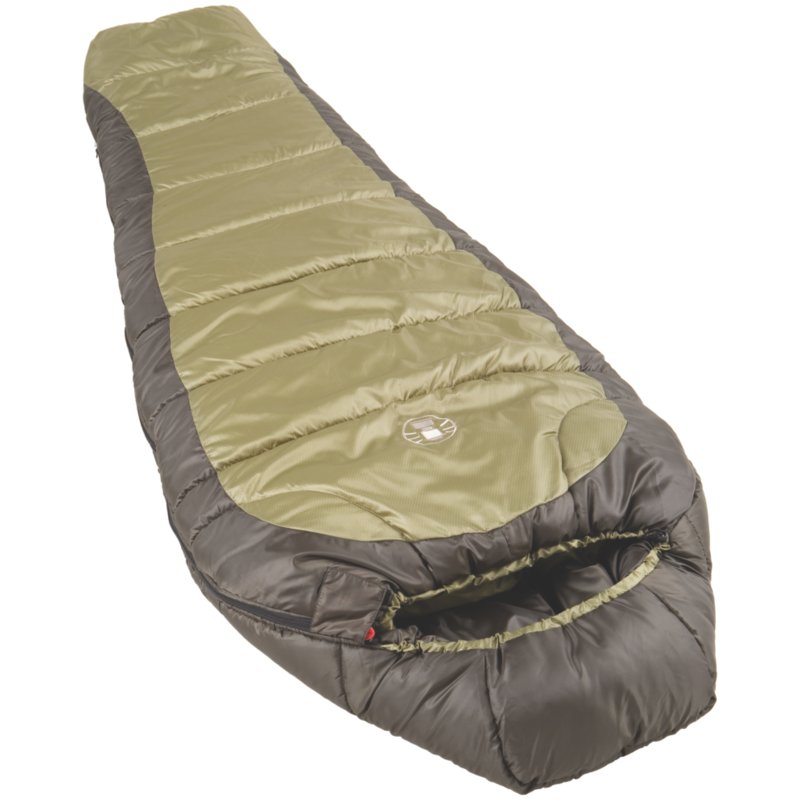
- Sleep in bags rated below the coldest night forecast.
- Never heat the house with a gas oven, grill or generator (CDC).
- Keep a battery CO alarm in the warm room (CDC).

Their kit, next to yours
Pets need the same three days as everyone else: food, water and their medicine, plus a way to take them with you.
- Keep several days of food in an airtight, waterproof container (Ready.gov).
- Store water for them too: about 1 quart a day for a cat or small dog, and count a large dog as a person.
- Pack an extra supply of their medicine, a leash or carrier, and an ID tag (Ready.gov).
- Not every shelter takes pets: line up a pet-friendly place to stay (Ready.gov).

Power and charging
0/6
More on power and charging →Water
0/5
More on water →Food
0/4
More on food →Light
0/2
More on light →News and calls
0/2
Heat and cooling
0/3
More on heat and cooling →Cooking
0/2
Safety
0/3
More on safety →First aid and medicine
0/3
More on first aid and medicine →Sanitation
0/3
Pets
0/3
More on pets →Papers and cash
0/2
Shop links go to Amazon, and we earn a commission if you buy. It never changes what is on the list.
Go deeper
Prep guides, with the math
Sizing backup power? All backup power guides →
Three rules that save lives in an outage
Generators, grills and camp stoves stay outside.
Well away from windows and doors. Carbon monoxide has no smell and no color (CDC).
Keep the fridge and freezer shut.
A closed fridge keeps food safe about 4 hours, a full freezer about 48 (USDA).
Never feed the house through a wall outlet.
Backfeeding a generator or power station can kill a line worker. Use a transfer switch fitted by an electrician (how that works).